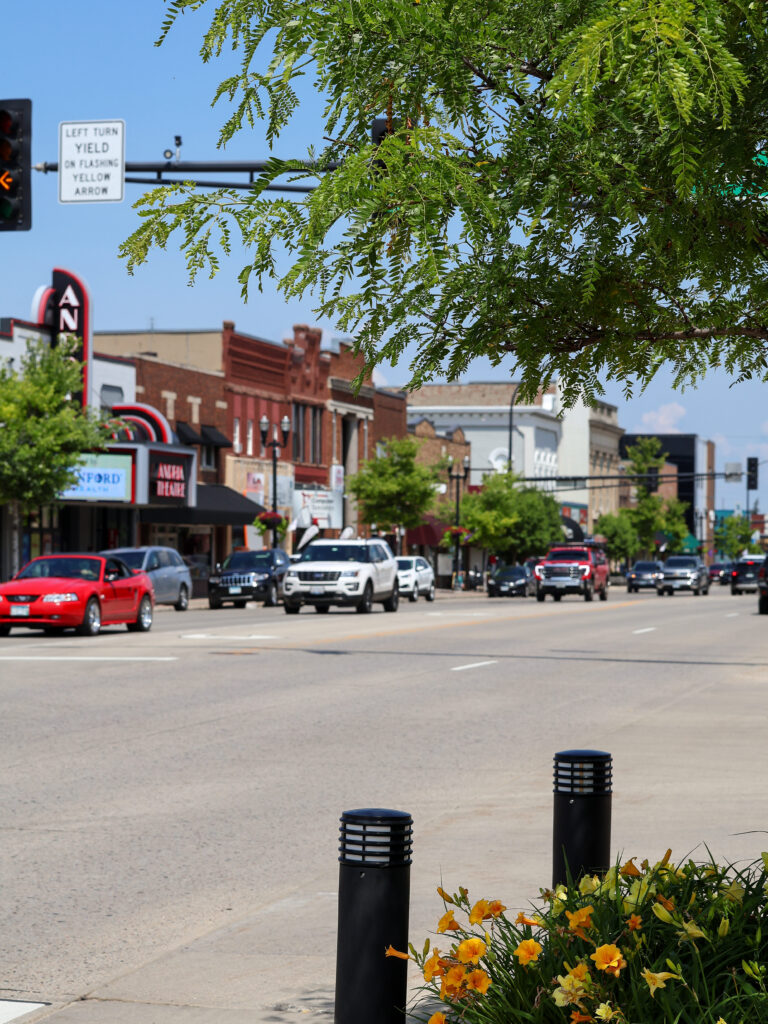
The other day, while driving around my vibrant central Minnesota town, I found myself wondering about a few things. Chances are, I’m not the only one.
- Who are the candidates in the upcoming election?
- What was the score of the football game on Friday?
- How are the infrastructure improvement projects coming along?
- Which businesses will be in that new building?
- Are there any fun events happening this weekend?
In a world where information is everywhere, I found all the answers, and the surrounding context, in one place: the local newspaper.
For nearly two decades, I practiced public relations in a major media market. You couldn’t round the proverbial corner without bumping into a newspaper, magazine, broadcast station, not to mention a variety of niche outlets. When my family moved to central Minnesota, I wondered how the media landscape would compare.
The answer became clear after a few weeks of reading the local newspaper and listening to local radio stations. The journalistic standards are the same, but the priorities are different. Regional and national media certainly serve important roles. Yet nothing replaces local journalism.
In thriving communities, local journalists connect people to the decisions, events and stories happening in their own backyard. They report on local government, schools, organizations and neighbors. Just as importantly, they ask questions, verify information and hold decision-makers accountable.
And that work is increasingly at risk.
According to a recent State of Local News report, nearly 3,500 American newspapers have disappeared over the past two decades, leaving approximately 50 million people with limited or no access to local news.
Meanwhile, Pew Research Center found that 85% of Americans believe local news is important to the well-being of their communities.
A 2026 study from Northwestern University’s Medill Local News Initiative adds another dimension. In communities without local news organizations, residents increasingly rely on social media, influencers, friends and family for information. These sources may help people stay connected, but they don’t necessarily provide the independent reporting, fact-checking and accountability of professional journalism.
For communities fortunate enough to have local news organizations, residents and organizational leaders alike should do everything they can to ensure their continued existence.
Here are a few ways to support local journalism:
- Subscribe to your local newspaper.
- Advertise in local newspapers, magazines and broadcast media.
- Maintain an up-to-date newsroom on your organization’s website.
- Build relationships with local journalists and share newsworthy information and relevant commentary.
- Read, share and engage with local stories.
Perhaps my former boss Warren Buffett said it best: “In towns where there is a strong sense of community, there is no more important institution than the local paper.”
It’s up to us to keep local journalism alive.

Kimberly Albert, APR, MA, is an award-winning public relations consultant with more than 20 years of experience helping organizations strengthen visibility, clarity and trust in an evolving media landscape. On this blog, she shares perspectives on public relations, communications and journalism in central Minnesota. To learn more about public relations services for your organization or recommend a noteworthy person or project for a profile, get in touch.